A Family's Lifeline Snaps; How Supplemental Nutrition Uncertainty Affects Low-Income Workers

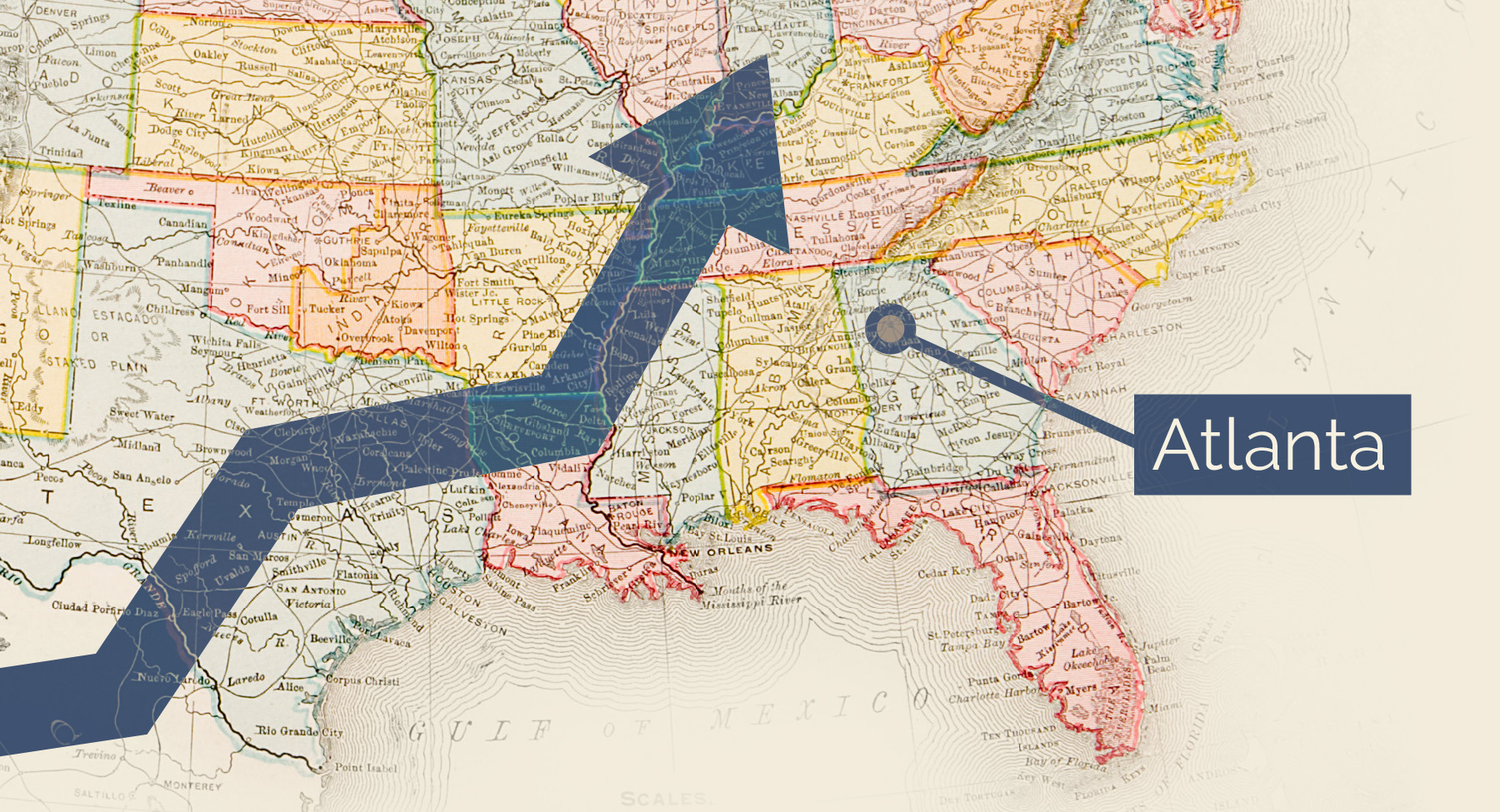
Meet Maria, a 38-year-old single mother in Atlanta. She's one of many heads of households whose lives BCM supports through our three signature program to serve low-income working families. Maria works two jobs—as a home health aide and a part-time cashier—but with inflation biting into every dollar and childcare costs soaring, SNAP has been her family's lifeline. "It wasn't luxury," she tells me over a hurried phone call, her voice steady but edged with worry. "It was rice, beans, milk for my kids. This support means we can eat dinner together instead of skipping it."
For households like Maria's, SNAP lifts them up. 250,000 Georgians—including 112,000 children receive benefits. Maria has a full-time job but her income still leaves her family living paycheck-to-paycheck. But now, with US Dept of Agriculture's SNAP program uncertainty, Maria wonders how she will be able to make ends meet.
Maria's not alone. At BCM Georgia, where we serve over 3,000 individuals from low-income households annually, about 1 in 3 of our clients receive SNAP to make ends meet.
The Supplemental Nutrition Assistance Program (SNAP), overseen by the U.S. Department of Agriculture (USDA), plays a pivotal role in Georgia's safety net, providing critical food assistance to vulnerable populations across the state. The USDA sets federal guidelines, allocates funding, and ensures program integrity nationwide, while partnering with state agencies to deliver benefits efficiently. In Georgia, this administration falls to the Department of Human Services (DHS) and its Division of Family & Children Services (DFCS), which handles eligibility determinations, benefit issuance, and outreach efforts to connect families with support. With the recent federal government shutdown continuing, the uncertainty around funding the SNAP program continues.
Zooming out from Maria's story, SNAP's reach in Georgia underscores its essential function amid economic pressures. 42% of SNAP recipients are working age adults and 39% are children under 18 years of age. Notably, 69% of SNAP households include children, illustrating how the program bridges generational needs in low-income communities.
For the average SNAP family in Georgia—often a household of two, led by a parent in their 30s juggling jobs like Maria's—the monthly benefit of about $190 per person isn't a windfall but a buffer against hunger.
At BCM Georgia, we're focused on serving low-income working families. SNAP is a component to each families’ overall ability to remain housed and working and going to school with full bellies. Our team of case managers are working right now to connect families to emergency food resources.

Related posts
Read more about our work.